
Following UX methodologies, I implemented a user-centered design approach. I followed this process to ensure the final product would meet user needs while maintaining design standards.
My approach included:
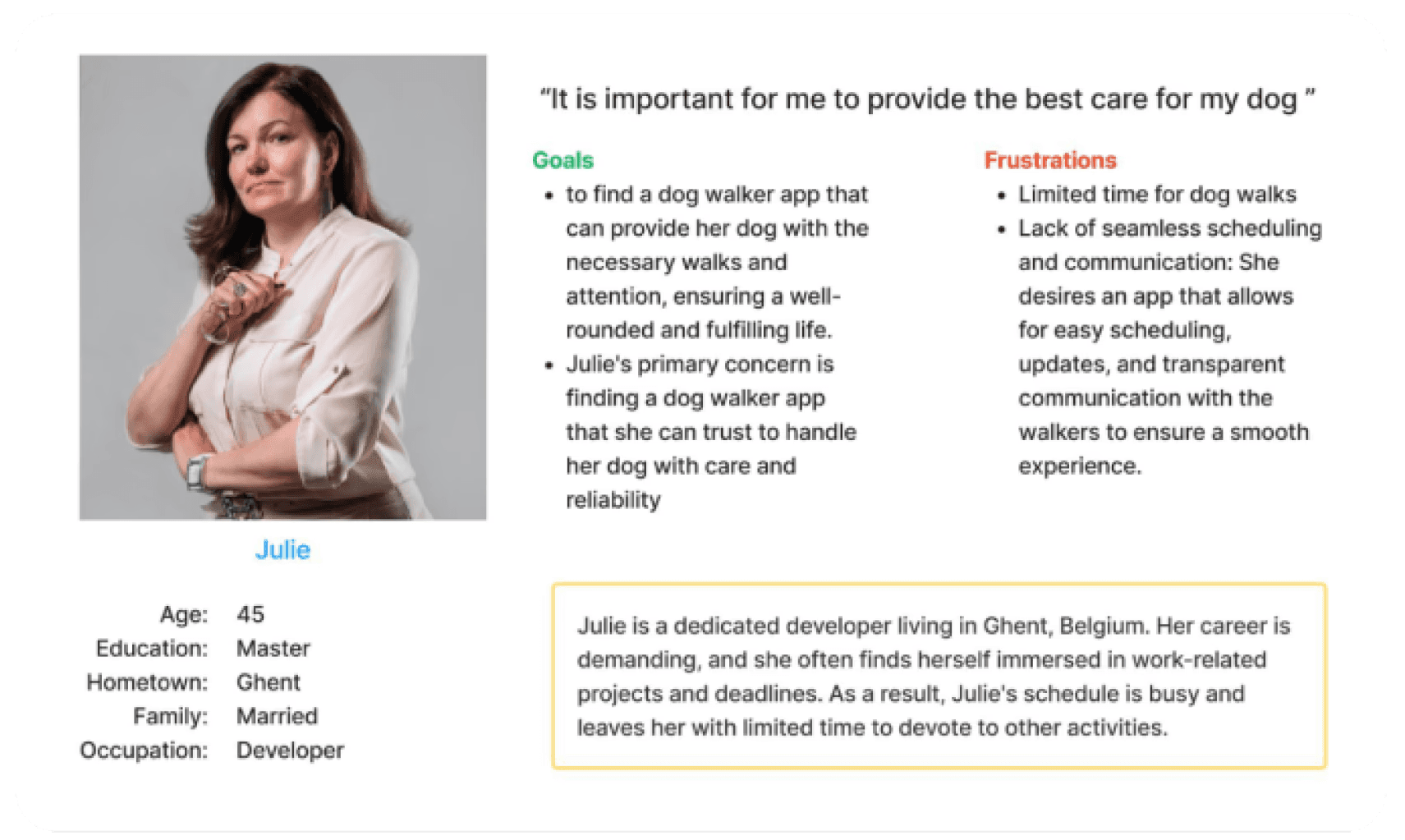
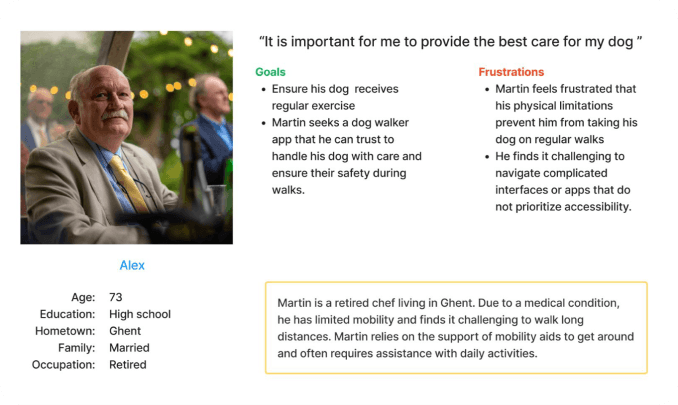
Persona Development
Created detailed user persona
Analyzed user pain points and opportunities
Ideation & Sketching
Explored multiple design concepts
Developed rough sketches to visualize initial ideas
Digital Wireframing
Translated sketches into structured digital wireframes
Established core layout and information architecture
Lo-Fi Prototyping
Created interactive low-fidelity prototypes
Hi-Fi Prototyping
Developed high-fidelity prototypes with visual design
Refined interactions and animations
Responsive Design Implementation
Adapted designs for various screen sizes
Ensured consistent user experience across devices
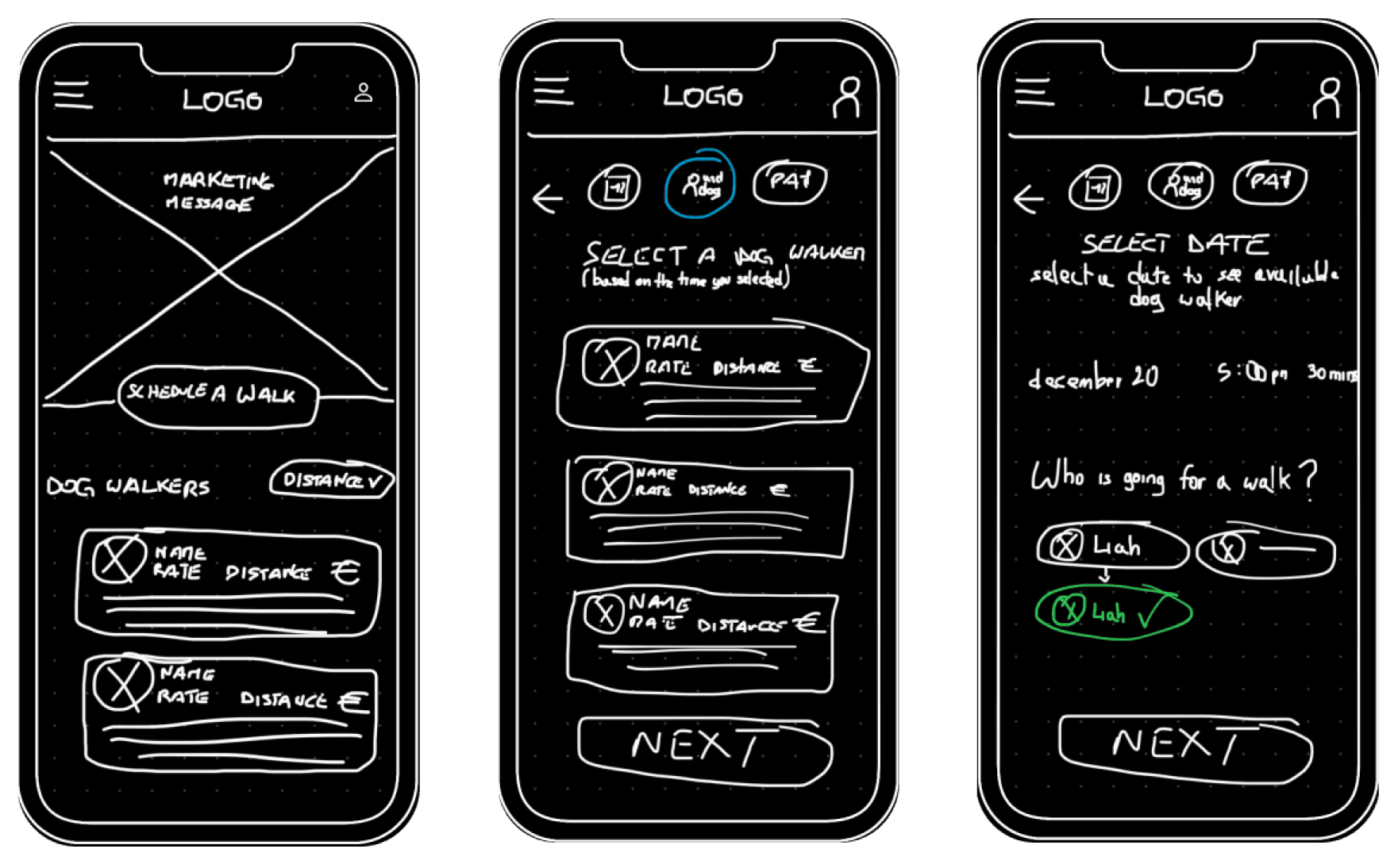
The ideation phase began with rapid sketching to explore initial concepts and information architecture. These low-fidelity sketches served as the foundation for the app's core functionality, focusing on creating an intuitive user flow for booking dog walking services.
Key elements explored in the sketching phase included:
Primary user journey mapping
Core feature placement and hierarchy
Essential UI components
Following the initial sketching phase, I created digital wireframes using Figma to establish a more structured foundation for the application. This step involved translating rough concepts into digital layouts.
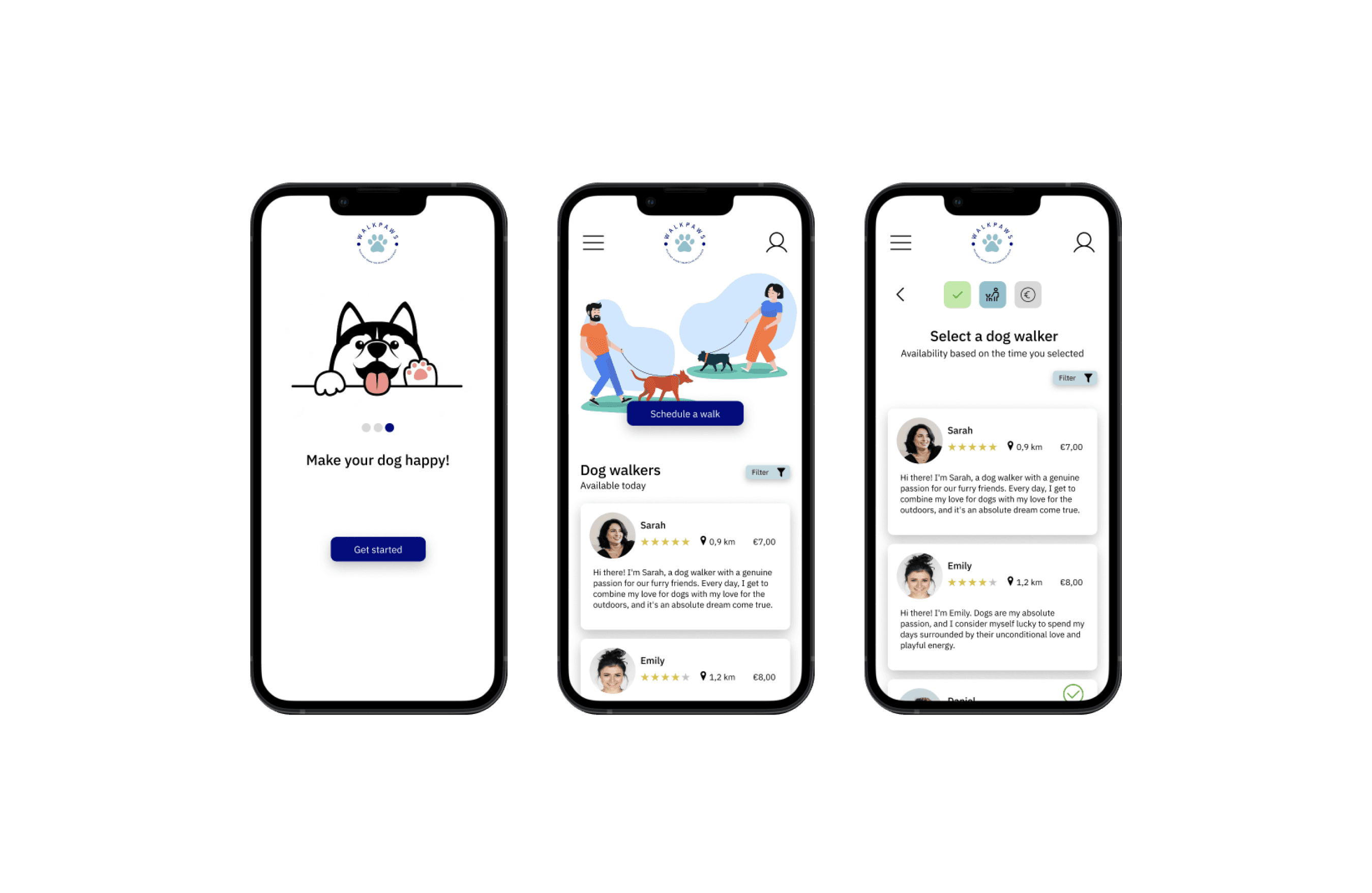
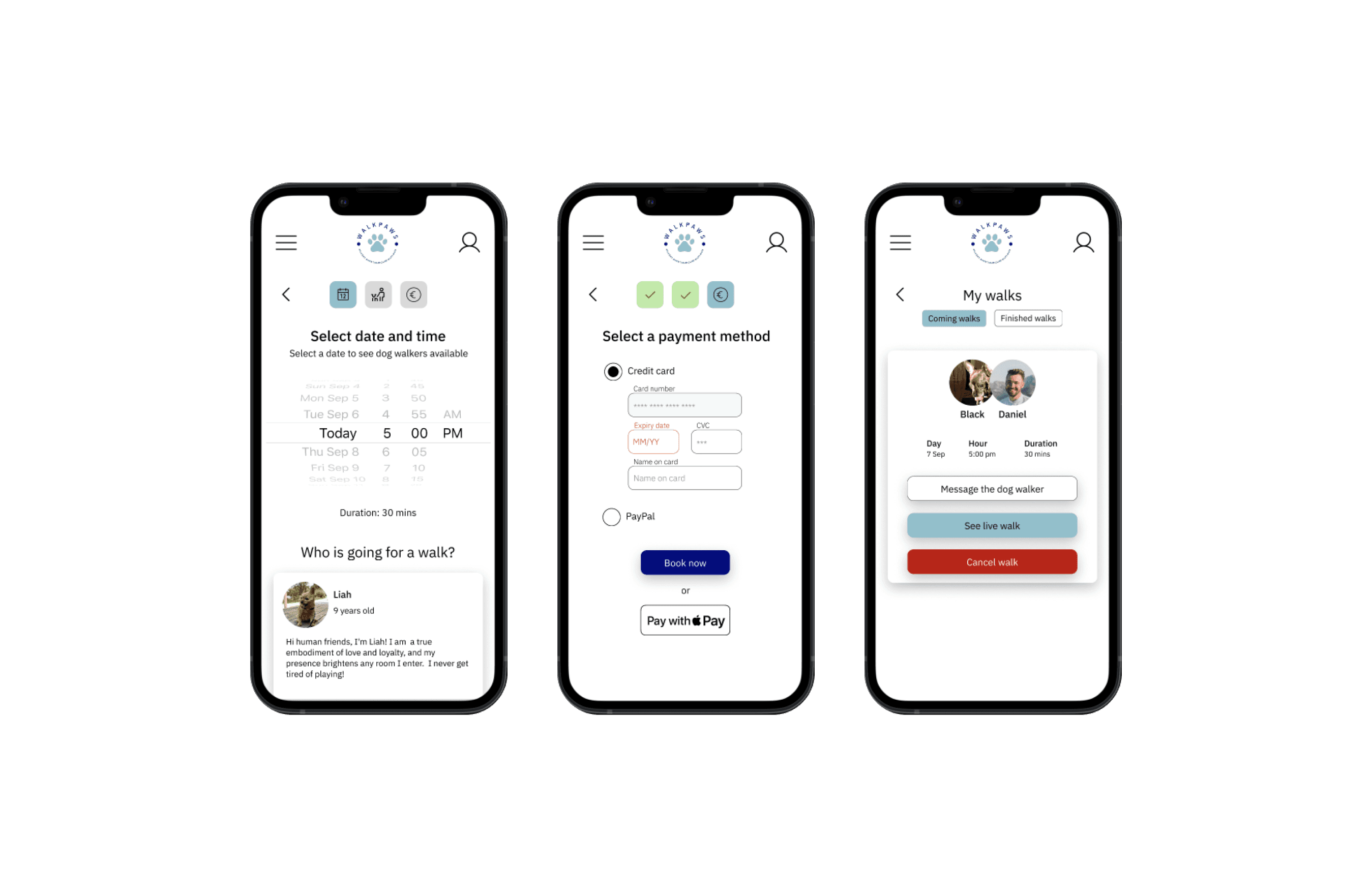
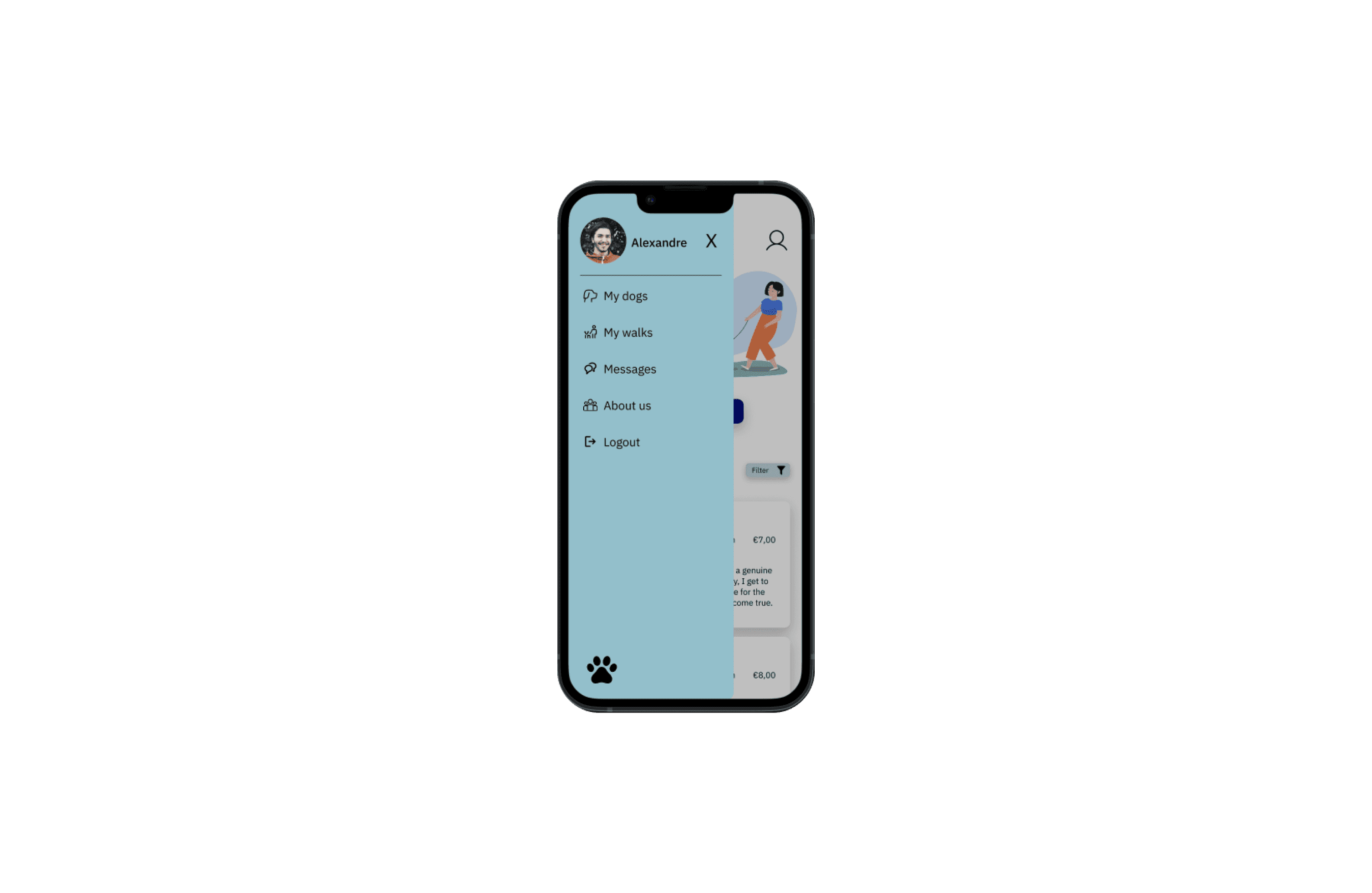
The high-fidelity phase marked the transformation of wireframes into a polished, visually engaging prototype. This stage focused on implementing the complete visual design system while maintaining the user-centric functionality established in earlier phases.
Key developments in the high-fidelity prototype included:
Visual Design Elements
Implementation of a cohesive color palette
Refined typography and spacing systems
Consistent iconography and visual hierarchy
Enhanced User Interface Components
Polished navigation elements
Interactive booking interface
User profile and rating system
Clear call-to-action buttons
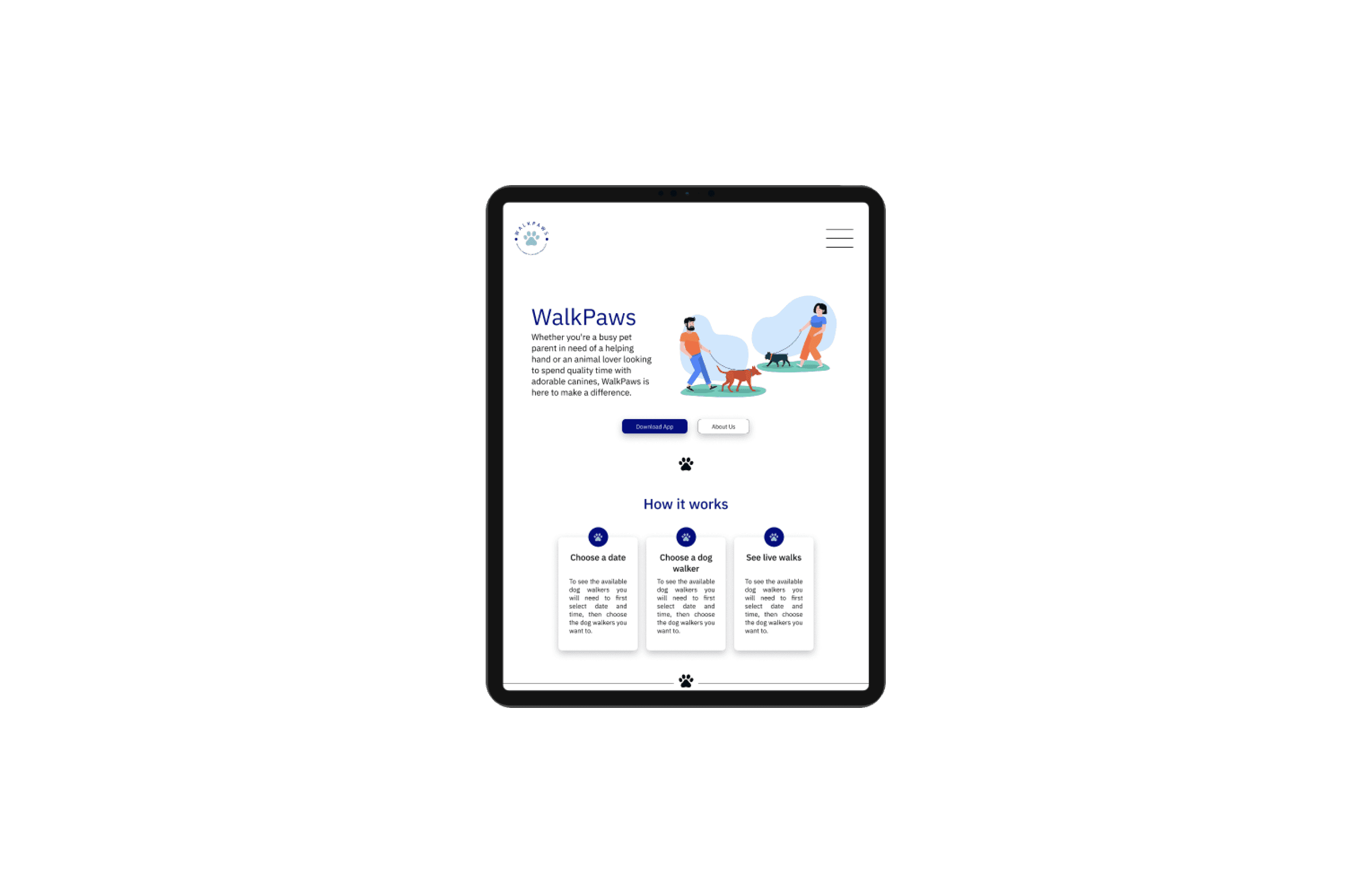
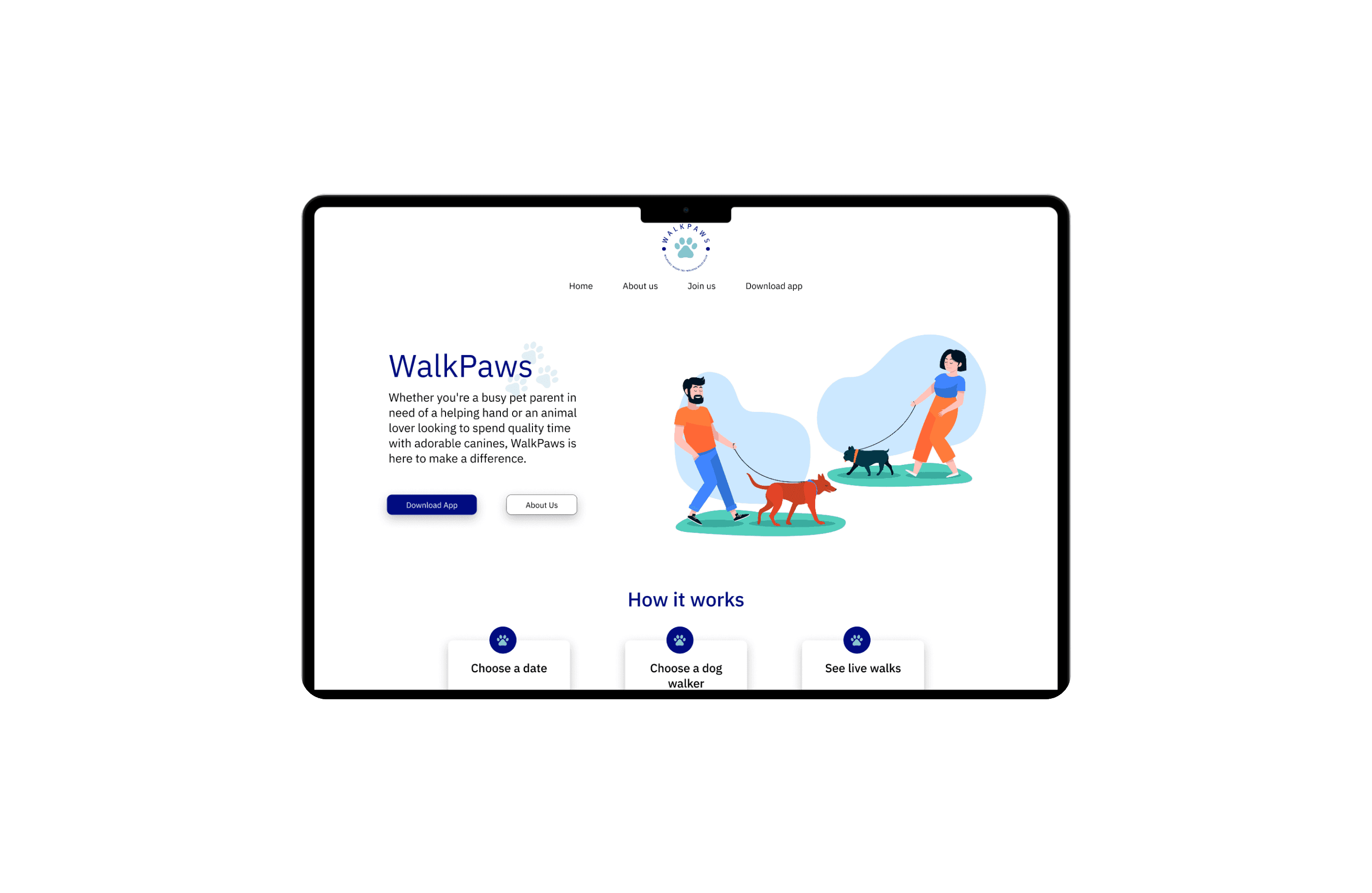
The final phase focused on developing a comprehensive responsive design strategy that would optimize the user experience across all devices while serving as an effective marketing platform for the mobile application.
Key Responsive Design Implementation:
Mobile-First Approach
Initiated design from mobile breakpoints
Established core functionality and content hierarchy
Ensured seamless transition between screen sizes
Optimized touch interactions for mobile users
Strategic Website Adaptation
Transformed the mobile app interface into a responsive marketing website
Created compelling call-to-action elements for app downloads
Developed recruitment sections for potential dog walkers
Maintained brand consistency across all platforms
Ensured consistent user experience across all devices
To maintain design consistency and streamline the development process, I created a comprehensive UI component library that forms the backbone of Walk Paws' visual and interactive elements. This approach ensures a cohesive user experience across all touchpoints.
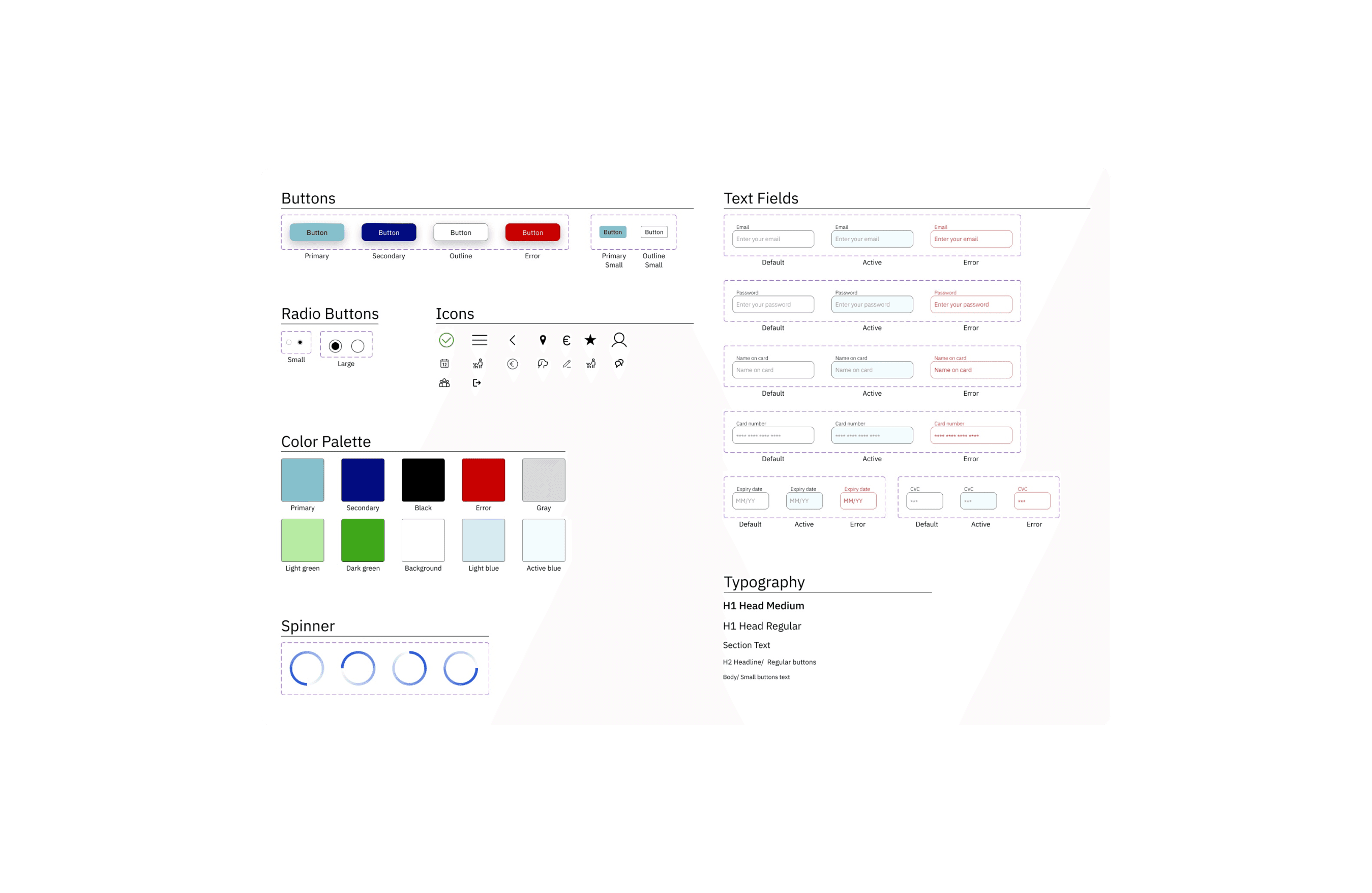
Moving forward, I've identified several key areas for continued development and refinement of the Walk Paws platform:
User Research & Testing
Conduct additional usability testing sessions
Gather quantitative data on user behavior
Analyze user feedback and metrics
Identify pain points in current user journeys
Design Optimization
Refine interaction patterns based on user insights
Enhance accessibility features
Optimize performance across different devices
Expand the component library as needed
Feature Development
Community features for dog owners
Business Growth
Develop strategies for user acquisition
Explore partnerships with pet care services
Other projects
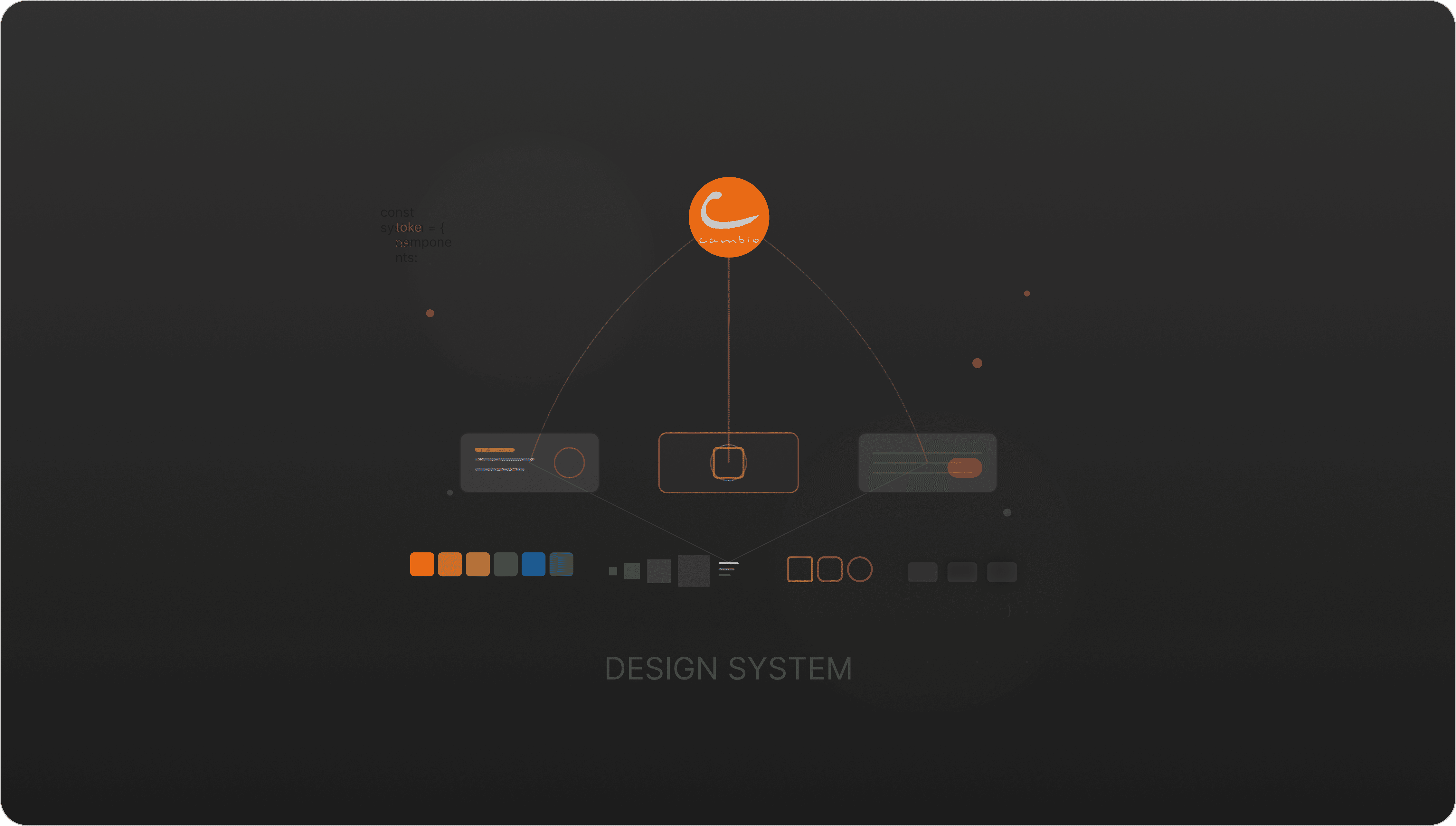
Cambio Design System
Foundation of design tokens and reusable components
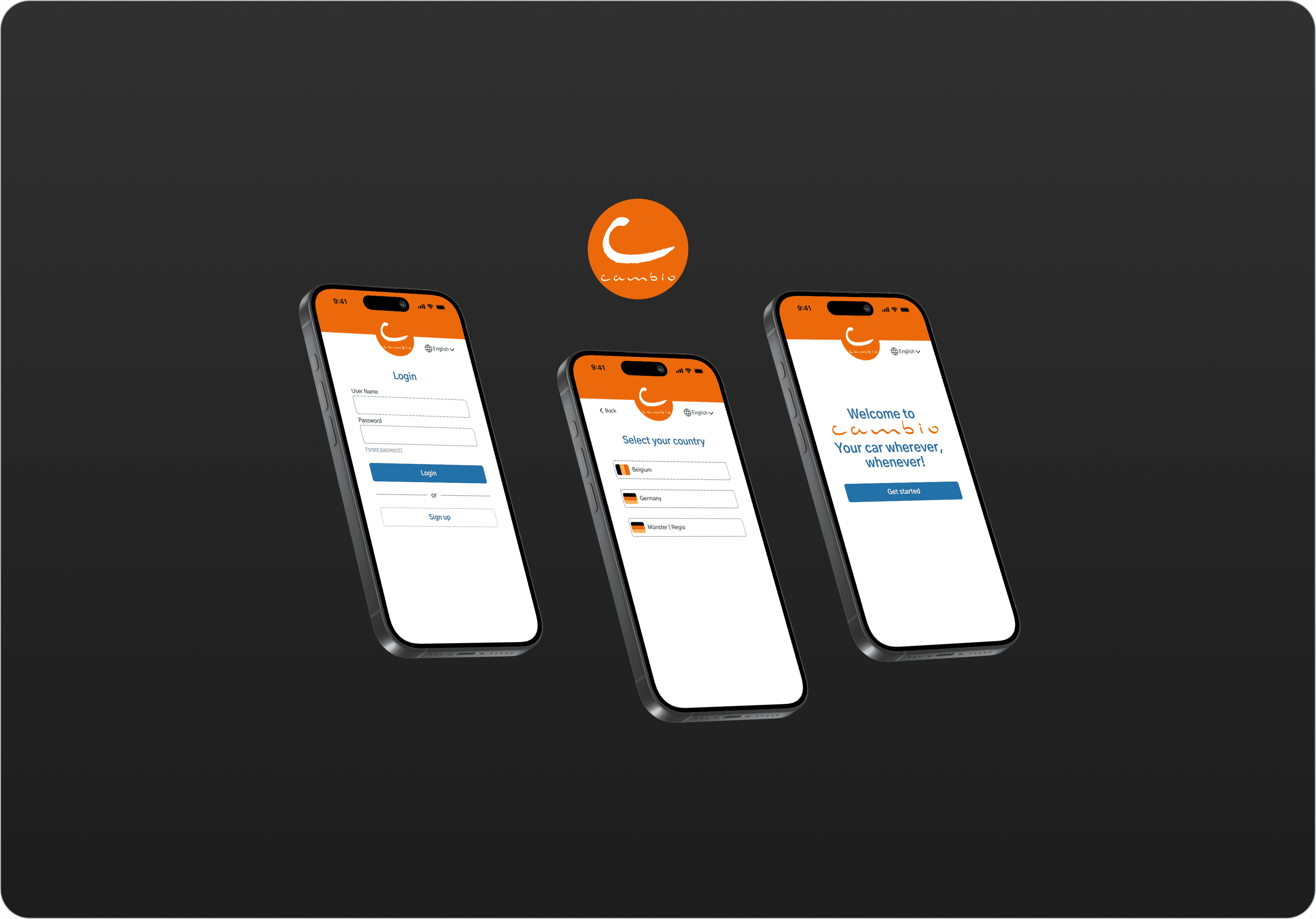
Cambio Autodelen App
Redesign of the login flow for better accessibility

Walk Paws Website
From Figma to HTML, CSS and JavaScript
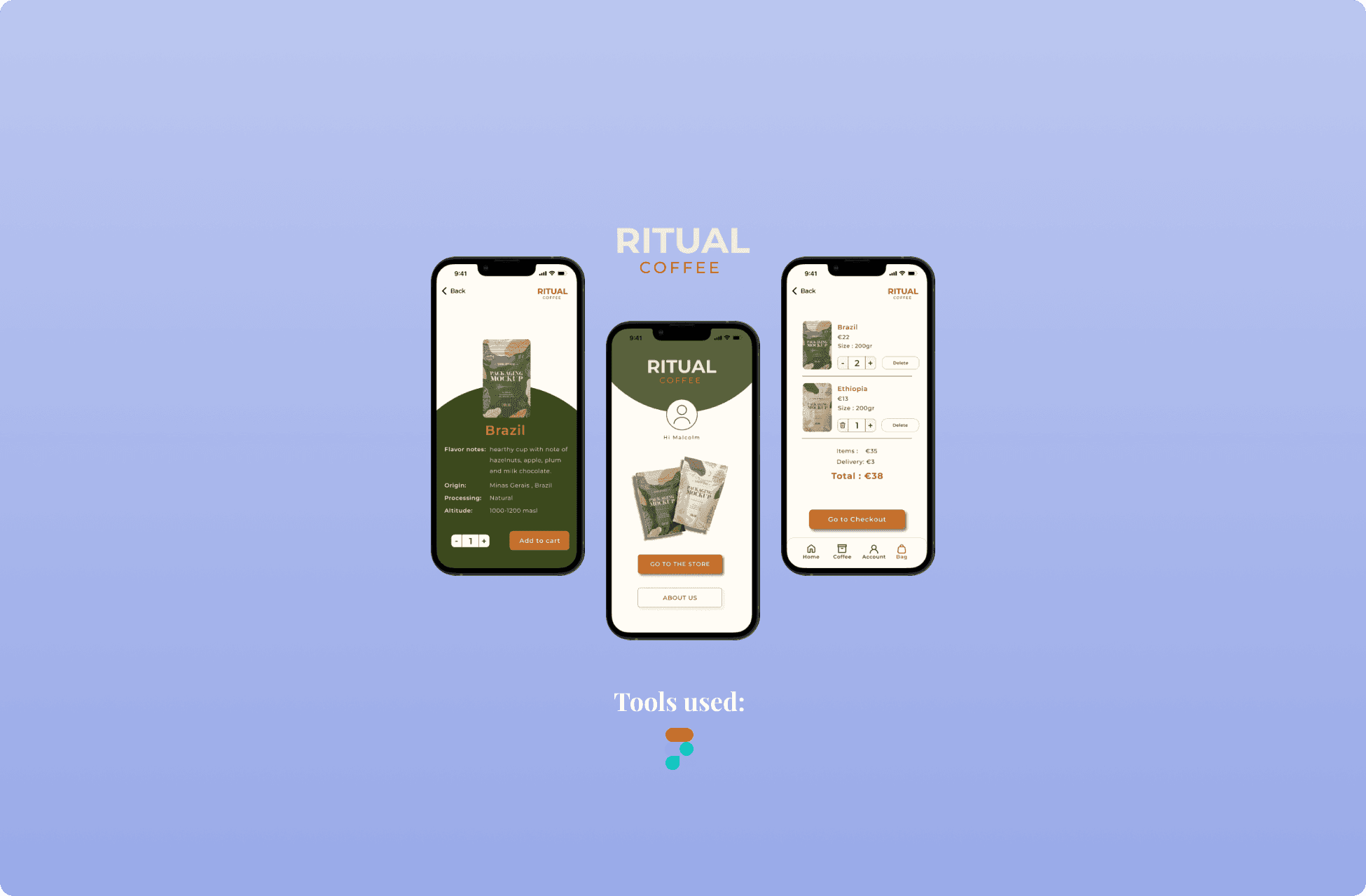
Ritual Coffee
eCommerce app with dark mode version
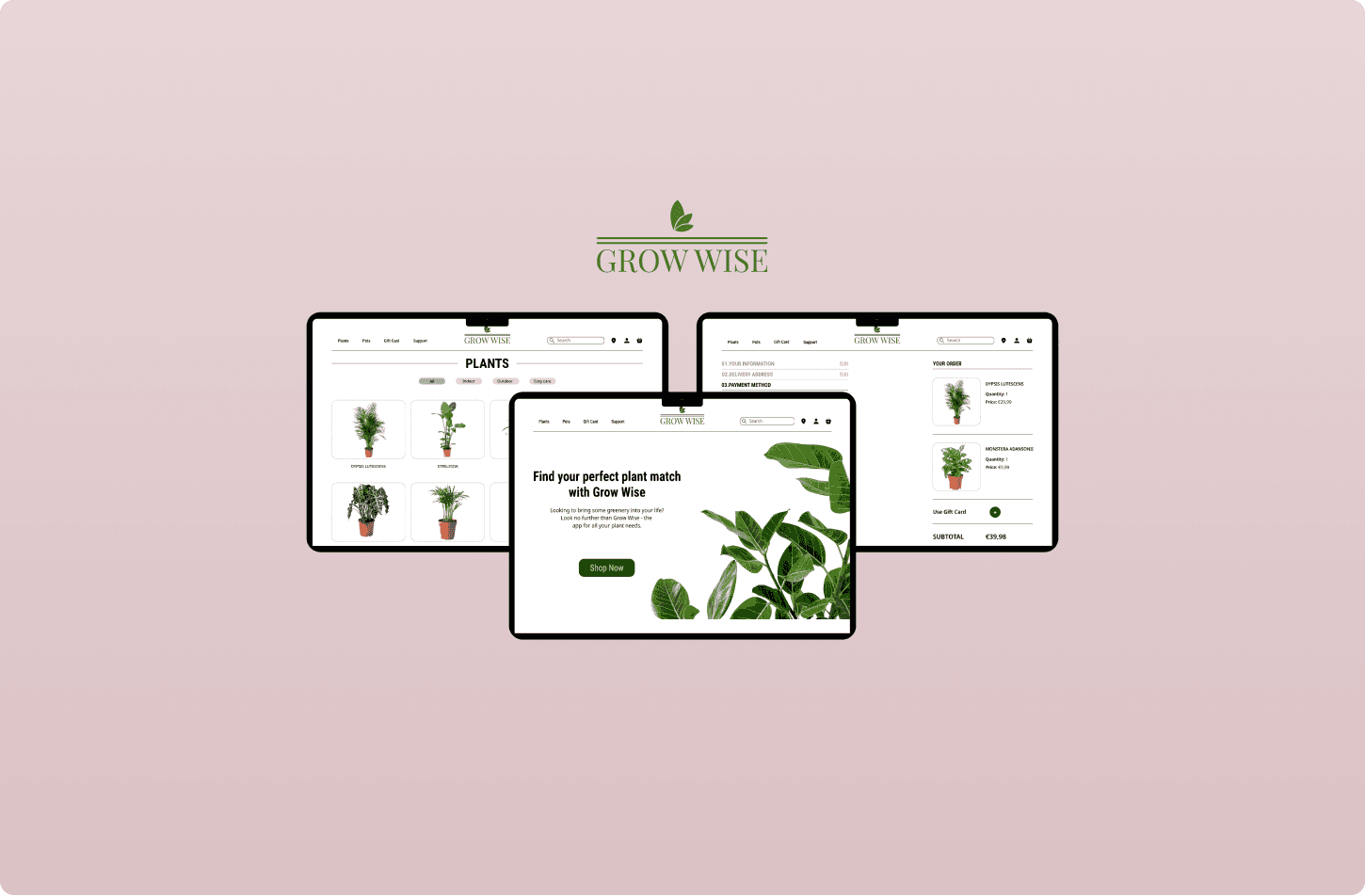
Grow Wise
Web app for a plant shop